
No Other Choice And The Unique Cinema of Park Chan-wook
Published February 9, 2026
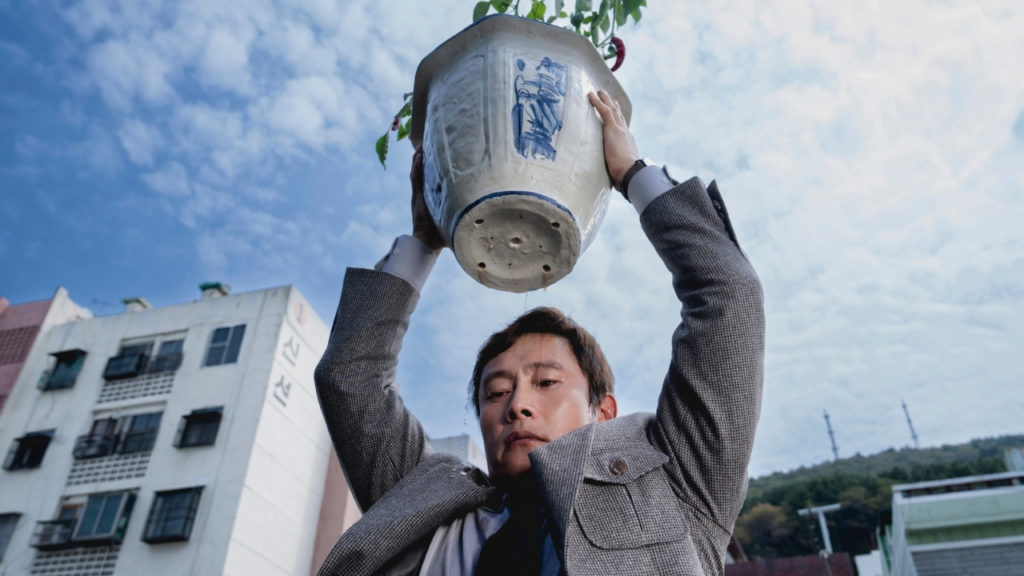
Park Chan-wook is one of those rare filmmakers who creates hit after hit. He is among a handful of directors who have had a profound influence on modern cinema.
If you’re unfamiliar with his work, Park is a South Korean writer and director who has made many acclaimed films including Oldboy (2003), The Handmaiden (2016) and Decision to Leave (2022). Park’s latest film No Other Choice is receiving widespread praise from both critics and audiences alike. No Other Choice is screening at Studio 74 until Thu 12 Feb, so there’s no better time to take a look back at Park’s fascinating film career.
Throughout the early 2000s Park released three narratively unconnected films that all explore the idea of revenge, which are known as the vengeance trilogy. Violence and death play a key role in all Park’s films and he often explores the morality around violent acts. This usuallly means plenty of blood and gore on screen! Cultural taboos such as sexual desire and human cruelty are also examined in his work. You may be thinking from this description that his films are a grim and grisly watch! However, Park’s films are also punctuated with a deliciously dark sense of humour and biting cultural satire. His work is deeply human and the characters’ inter-personal connections are well established, which helps to contextualise the gruesome acts that follow. His films have endured and become widely appreciated because of the human truth behind the ultra-violence.

Familial Love Motivates Violent Acts in No Other Choice
Park burst onto the international film scene with his cult-classic Oldboy. The film is the second installment in the vengeance trilogy after 2002’s Sympathy for Mr. Vengeance. Oldboy is the story of a man named Dae-su who is kidnapped and locked in a room. After being imprisoned for fifteen years, he is released and uses his new found freedom to plot a bloody revenge against his unknown captors. The film, like all of Park’s work, is made with distinct cinematography and choreographed fight scenes. Perhaps the most famous scene in the film is the impressive long-take fight scene set in a corridor. Oldboy is considered a classic and has often been cited as one of the greatest films of all time.
Filmmaking is, of course, a collaborative process and Park has built several long-term creative partnerships. Park works with an incredible team, who help to shape the remarkable and expertly crafted style of the films. They are precisely shot with striking framing, and perfectly paced editing. The films are also visually stunning with a dramatic use of colour and brilliant set and costume design.
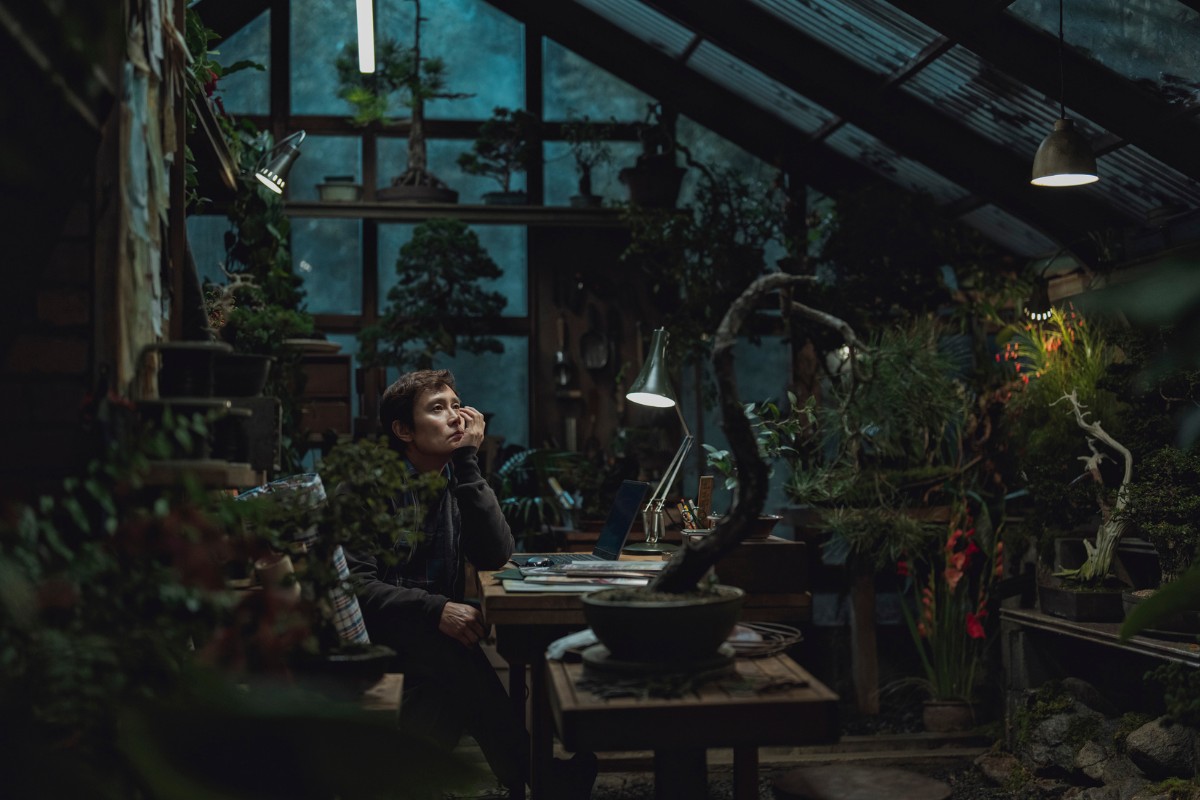
The Beautiful Framing and Set Design of No Other Choice
In 2009, Park released his vampire film, Thirst, which was very loosely based on the novel Thérèse Raquin by Émile Zola. The film features a stand-out performance from Song Kang-ho, an actor who is known for his collaborations with Bong Joon-ho, another celebrated South Korean filmmaker. You might remember Song for his critically acclaimed performance in the Oscar-sweeping film Parasite. Park’s films always include outstanding performances, and in Thirst, Song expertly embodies the complexities of the priest. The film explores morality and Catholic guilt, but, once again, there is an underlying theme of love and human connection. The characters may be brutal and, literally, bloodthirsty but they haven’t completely lost their humanity. We understand them through the emotional connection they share.
In the last decade, Park has released two of his most acclaimed films, The Handmaiden (2016) and Decision to Leave (2022), which have been enjoyed by a wide audience. The Handmaiden is based on the British crime novel Fingersmith by Sarah Waters. The film is highly praised as both a queer classic and an expertly conceived crime drama.
Decision to Leave is a modern take on the timeless formula of the noir thriller. The film has all the genre staples of a mystery: a femme fatale, an insomniac detective and a plot full of shocking revelations and twists. However, the film is also a philosophical exploration of the theme of love.
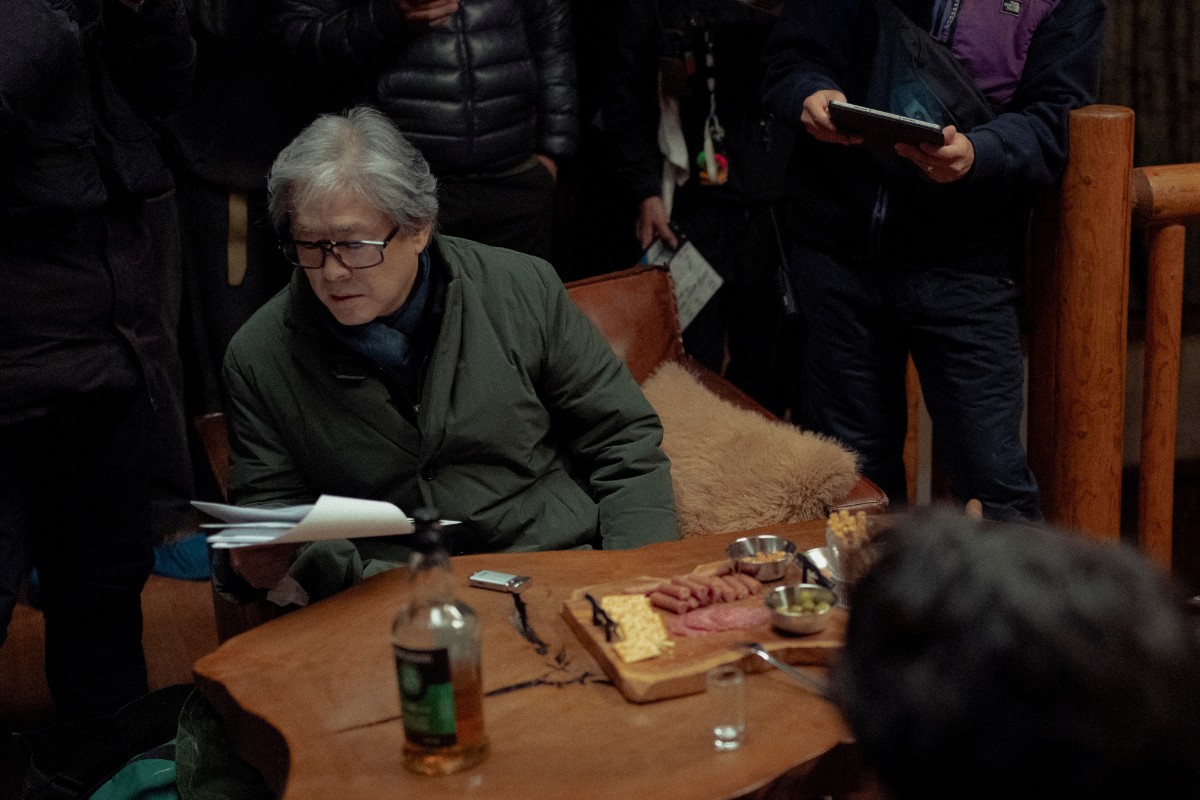
Park on set
In his latest film No Other Choice, Park takes a darkly satirical look at the job market. It’s a film that depicts the viciousness that comes from an environment where everyone is seen as a competitor. It’s a very politically relevant film, however, it’s messaging is deftly delivered through dark humour and hilarious hyperbole. It makes a wonderful companion piece to Bong Joon-ho’s Parasite, as both films tackle our changing economic landscape through satire, deadly plots and ultra-violence.
Throughout his career, Park has challenged his viewers to see the humanity in the most brutal situations, to laugh at the macabre and to question the morality of his characters. Whether we are watching a tale of revenge, a neo-noir or a social satire, we will leave the cinema reflecting on the themes of his films.
Park Chan-wook is one of the most innovative writer and directors working today and No Other Choice is his latest masterpiece.