
Trade Secret: Q&A With Wildlife Advocate Iris Ho
Published January 14, 2026
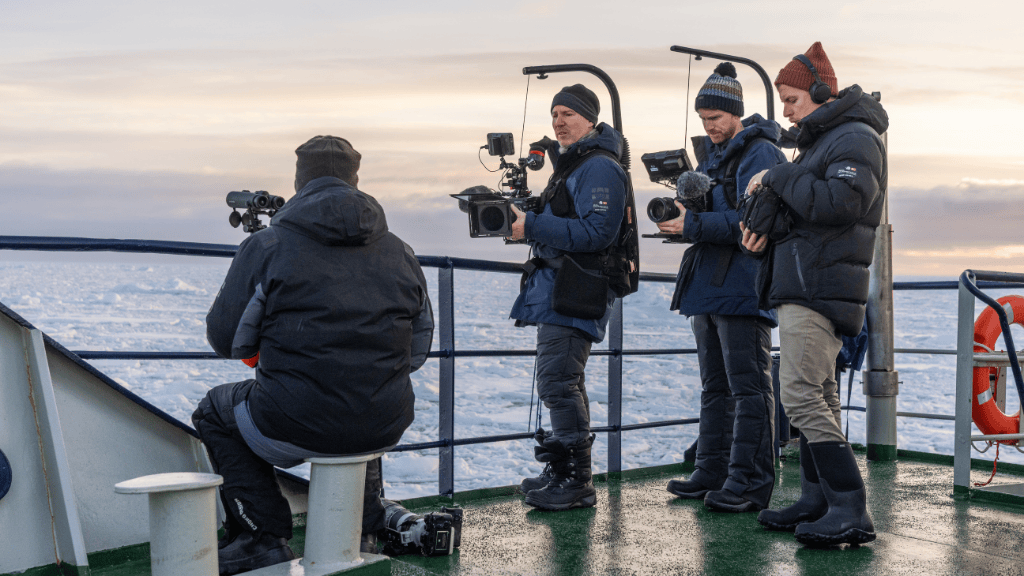
To mark the upcoming DOCLAB presented screening of investigative documentary Trade Secret, we're sharing a Q&A with wildlife advocate Iris Ho, offering deep insights in to the investigation behind the film.
Winner of the Golden Panda Award and an Oscar and Bafta contender, Trade Secret follows photographer Ole Jørgen Liodden, wildlife advocate Iris Ho, and investigative journalist Adam Cruise to expose the shocking truth behind the legal international trade in polar bear skins.
Despite polar bears’ vulnerable status, hundreds are legally killed and sold on global markets every year. As the investigation deepens, it uncovers a disturbing truth: those entrusted with safeguarding the species may be entangled in their continued commercialisation.
In this Q&A, Iris reflects on the six-year investigation, the realities of wildlife exploitation and why Trade Secret demands to be seen - and acted on.

Q: Why have you been so focused on polar bears as a species?
Polar bears are one of the most iconic species that tug at our heartstrings. Every child, from Asia, Africa to America, knows about polar bears. Very few wildlife species have that universal recognition and popularity.
Yet polar bears are among the most threatened species. It is shocking that most people are not aware that polar bears are killed for commercial trade and trophy hunting. I cannot not do something to save the polar bear knowing what I know.
Nobel Peace Prize Laureate, Jody Williams, whom I had the fortune to meet twenty years ago and listen to her remarks said, "If you care about something very much but don't do anything with it, then you are no different than the next person who doesn't care." That quote stays with me ever since.
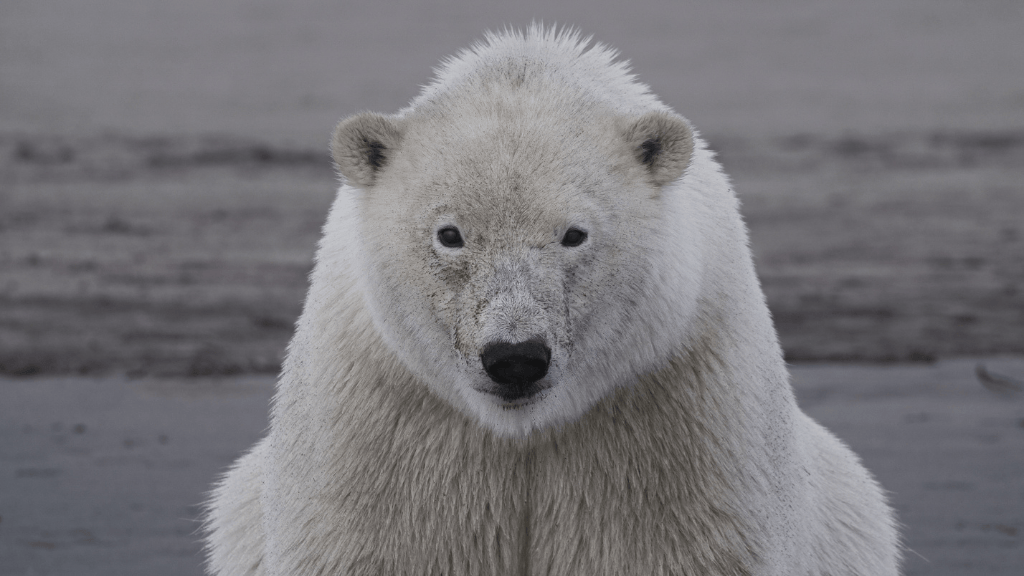
Q: What was it like working with Ole and Adam on the mission to protect the bears?
I've been blessed with working with animal and conservation advocates from around the world who want to make our planet a better place. Working with Ole and Adam is one of the highlights of my career. Our line of work - saving endangered animals - can be demoralising at times given the depressing state of our planet. On some days you wonder if you are making any difference or you feel deflated by an onslaught of setbacks. But working with like-minded advocates like Ole and Adam renews my passion and helps me keep my eyes on the mission. We've also had some fun and laughter along the way.
Q: What moment of your work has proved to be the most challenging?
Politics and the nuance in the trade in and exploitation of polar bears. Conservation policies are driven by many factors, including geopolitics and local politics. Maybe that's why the words politics and policies are the same in French.
Q: What impact do you hope this story has on the world?
I hope the film will help put an end to the killing of polar bears for the commercial trade and for trophy hunting. While climate change is the biggest threat to polar bears, it is an existential threat that affects every corner of the planet and is too big for any one country to tackle alone. But if you look at the number of countries that supply the trade and trophy hunting (answer is one), it baffles me that a very small number of individuals are controlling the fate of polar bears and allowing them to be killed for vanity purposes so that someone can show off and hang a piece of polar skin skin or trophy in his or her living room. It is simply unbearable (pun intended).
Trade Secret (12A) screens in Studio 74 on Wed 21 Jan, followed by a Q&A from director Abraham Joffe. Get your tickets here.